
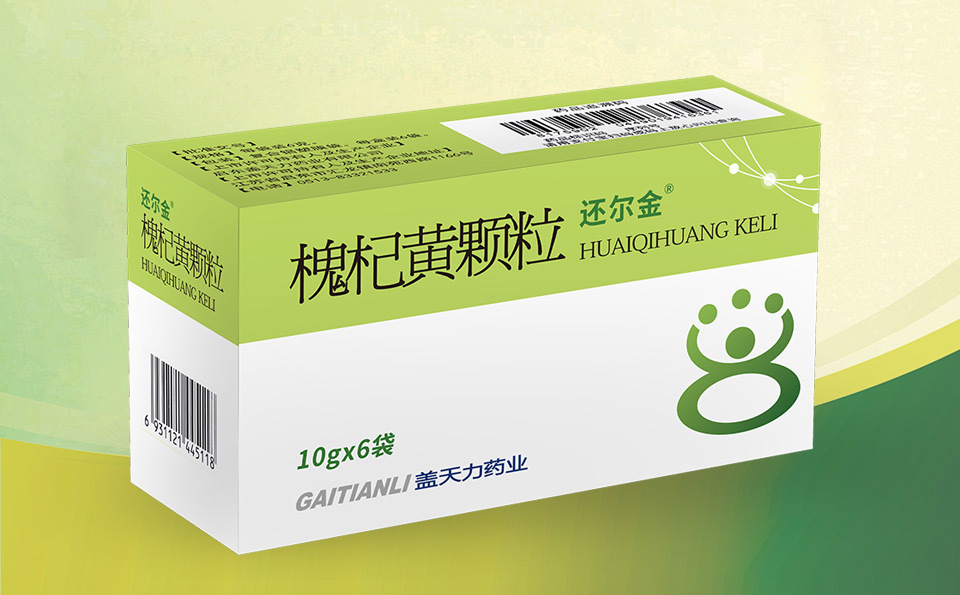
Huaiqihuang (HQH) Granule
Huaiqihuang (HQH) Granule
Key words:
Huaiqihuang (HQH) Granule
Classification:
- Details
- Prescription efficacy
-
- Commodity name: Huaiqihuang (HQH) Granule
HQH Granule possesses both anti-inflammatory properties and bidirectional immune regulation, effectively ensuring immune balance within the body.
Balanced Immunity, Healthy Life
Initially launched in the market for "recurrent respiratory infections in children," HQH Granule received favorable evaluations. Given the close relationship between recurrent respiratory infections and the recurrence of childhood asthma, HQH Granule has also been recognized for its efficacy in treating childhood asthma.
Inspired by its effectiveness in treating both of the two conditions, scholars began conducting extensive basic research on kidney disease models using the API of “HQH Granule” and achieved excellent results. Clinical evaluations for its use in treating pediatric kidney diseases were consistent with the basic research findings. Similarly, the treatment of adult kidney diseases poses challenges for both patients and healthcare professionals. HQH Granule was used to treat some patients, and it controlled their hematuria, proteinuria, and repaired renal function within a short period. Subsequently, it showed promising results in treating a series of related diseases in pediatric hematological systems, such as immune thrombocytopenic purpura, immune neutropenia, aplastic anemia, and acute and chronic leukemia. It also demonstrated excellent signs in the treatment of autoimmune diseases such as immune lupus erythematosus, Sjögren's syndrome, and rheumatic diseases.
Looking at the above pathways, HQH Granule has shown good efficacy in treating immune diseases. As we all know, immunity is present in all tissues and organs of the human body. Once immunity is compromised, corresponding tissues and organs can develop diseases that are often difficult to treat. So, what is immunity? Why are immune diseases so difficult to cure?
 The fundamental concept of immunity is that the organism recognizes the “self” and the “not-self” and generates an immune response to remove the “foreign” antigen or induce immune tolerance, so as to maintain the stability of its own internal environment. This involves immune recognition, immune response, immune tolerance and immune regulation, and the structure, links and steps are extremely complex. When any of these recognition, response, tolerance, regulation, etc. go wrong, immune diseases may occur. In layman's terms, when the body fails to recognize its own tissues, its own tissues may be attacked or injured, and this is an autoimmune disease. And when some foreign substances such as bacteria, viruses, proteins can recognize or can not recognize, after recognition of the response is too strong or too weak may cause tissue damage, these injuries are the corresponding immune diseases. Due to the complexity of the immune response, people's understanding of it is limited, the immune substances involved in the immune response are numerous and not specific, and most of them are in the internal organs of the body, which are invisible and intangible, so that low immunity can cause immune diseases, and over-immunity can also cause immune diseases. Our current means of controlling the immune level is very limited, often too high or too low, it is difficult to achieve immune balance, the result is that immune diseases are repeatedly treated and recurring episodes.
Immune balance (stability) in the body is the key to ensuring an immune response and the key to treating immune diseases. The immune balance is dynamic, all the time. When the body's immune system (thymus, spleen, bone marrow, lymph, etc.) is healthy, there is no problem with this response. On the contrary, when an immune disease occurs, it is possible that there is a problem with the immune system or an immune organ, which is characterized by immune inflammatory lesions and damage to a certain tissue or organ, which can be classified as autoimmune diseases, rheumatic diseases, allergic diseases, and so on.
Here it is easy to see that in order to cure the immune disease must solve two major problems: first, repair the immune tissue; second, control the site of the disease (immune inflammation) and repair to make it play a normal function.
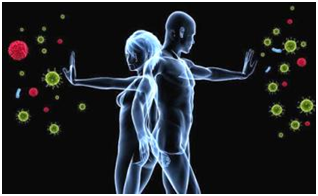 Research shows that “Goji Huang” acts in the early G1 phase of apoptosis (i.e. G0G1 apoptosis, which is also the apoptosis cycle of stem cells), and its effect shows that it can make the sick cells become normal cells or make the sick cells die, so as to play the purpose of repairing the tissues. The main active ingredient of “Goji Huang” is glycoprotein, which can promote the proliferation of T and B lymphocytes, the increase of interleukin 10 and interleukin 12-P40, interleukin 12-P70, and the correction of the imbalance of auxiliary T lymphocytes, and the results of these experiments tell us that it has anti-inflammatory and immunomodulatory properties, and can continuously increase lymphocytes to ensure an immune balance within the organism. This balance is calm and effective as multiple lymphokines are released within the organism to control inflammation according to the needs of its own tissues. Goji Huang Granules has not been found to have any significant toxic side effects so far.
As immune diseases are caused by damage to the body's immune organs or tissues, resulting in a series of immune lesions. By taking Goji Huang Granules the control of clinical symptoms is faster, and it takes time to repair the whole tissue, so for chronic immune diseases it needs to be taken for more than half a year or longer to ensure solid efficacy.
-
Sophora japonica fungus, wolfberry, yellow essence
Sophora Fungus: Three major effects (according to Tang Xinxiu Ben Cao)
Cure wind - anti-inflammatory, anti-allergy
Breaking blood - improving microcirculation, removing old tissues
Benefit - enhance immunity, promote tissue repair
Sophora japonica is bitter, pungent and flat in nature, good at benefiting qi and strong, safe and non-toxic, the formula has a large dosage, so it is listed as the king's medicine.
Chinese wolfberry nourishes the kidney, moistens the lung, nourishes the liver and brightens the eyes; Huang Jing nourishes the qi and moistens the eyes; the two herbs are sweet in taste and flat in nature, good at nourishing yin and benefiting the qi, and together they serve as the subject herbs.
Three drugs together, both beneficial and nourishing yin, acacia ear biased in the benefit of gas, goji berries biased in the nourishing yin, Huang Jing qi and yin and complementary, with a party in the complementary and not stagnation of gas, yin but not overly nourishing and greasy, the drug are peaceful, flat tonic qi and yin, flat in the strange. Kidneys hide essence, gas, for the innate nature of this. This formula into the five viscera, viscera related, benefit the essence of the five viscera, nourish the viscera of the Yin Jin, although not much flavor, but the overall weakness of the care of the overall, strong tonic effect.
Welcome your message consultation
We will contact you within one working day. Please pay attention to your email.


Address
1166 West Nanyuan Road, Qidong Economic Development Zone, Jiangsu Province
Telephone

Mobile website

Public Number
Copyright © 2024 Qidong Gaitianli Pharmaceutical Co., Ltd.